Frequently Asked Questions – Meniscus Tear
By Dr. Tushar Nayak | Robotic Knee Replacement Surgeon | Joint Replacement & Orthopaedic Specialist
13 min read
Meniscus tears can result from sports injuries or age-related wear. These FAQs cover symptoms, non-surgical care, arthroscopic options and recovery expectations.
Answers below are for education and do not replace a personal orthopaedic consultation.
1. What is a meniscus tear?
The menisci are two crescent-shaped structures between the thighbone and shinbone that help distribute load and absorb shock. A tear can occur from twisting, sports injuries or age-related degeneration.
2. What are the symptoms of a meniscus tear?
Pain, swelling, clicking, catching, difficulty bending or straightening the knee and tenderness along the joint line are common symptoms.
3. Can a meniscus tear heal without surgery?
Yes. Some meniscus tears can improve with activity modification, physiotherapy and appropriate non-operative treatment, particularly when there is no significant locking or persistent functional limitation.
4. Does every meniscus tear need an operation?
No. Treatment depends on the type and location of the tear, symptoms, age, activity level and associated knee problems.
5. How is a meniscus tear diagnosed?
Clinical examination is important. MRI is commonly used when imaging is required because it provides detailed information about the meniscus and other knee structures.
6. What is a degenerative meniscus tear?
A degenerative meniscus tear develops gradually as the meniscus changes with age and may occur together with knee osteoarthritis rather than from one specific injury.
7. What is an acute meniscus tear?
An acute tear usually occurs following an identifiable injury such as twisting the knee during sports, a fall or sudden rotation.
8. What does a meniscus tear feel like?
Patients may describe pain on one side of the knee, swelling, clicking, catching or a sensation that something is moving inside the joint.
9. What does a locked knee mean?
A true locked knee means the knee cannot fully bend or straighten because something is mechanically blocking movement. This requires prompt orthopaedic assessment.
10. Can physiotherapy help a meniscus tear?
Yes. Physiotherapy can improve muscle strength, knee movement, coordination and function and may be appropriate for many meniscus injuries.
11. What is meniscus repair?
Meniscus repair is a procedure in which the surgeon preserves the torn meniscus and uses sutures or other techniques to allow the tissue to heal.
12. Is meniscus repair better than meniscus removal?
When a tear is suitable for repair, preserving as much healthy meniscal tissue as possible is generally preferred because the meniscus contributes to load distribution and knee function.
13. What is meniscectomy?
Meniscectomy is the surgical removal of the unstable or irreparable portion of a torn meniscus. Surgeons generally aim to preserve as much healthy meniscus as possible.
14. Is meniscus surgery performed using arthroscopy?
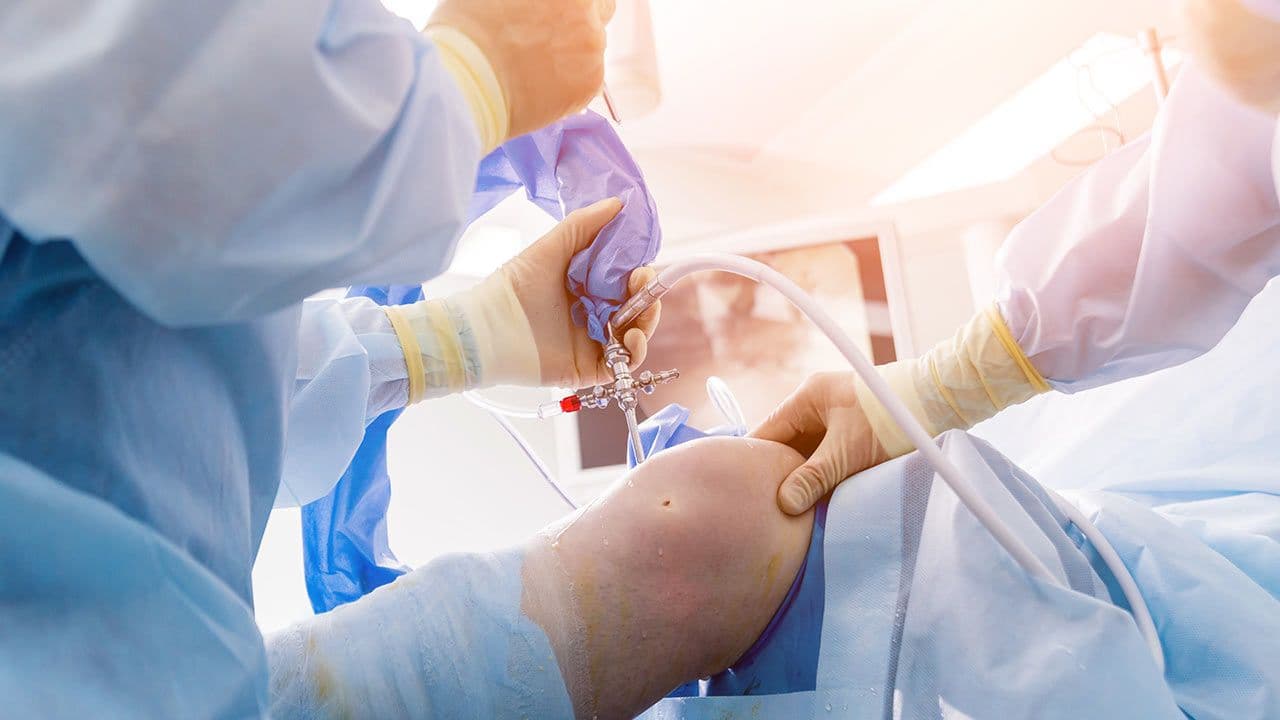
Yes. Meniscus repair and partial meniscectomy are commonly performed using arthroscopic techniques.
15. How long does meniscus surgery take?
The duration varies depending on the type and complexity of the tear and whether other procedures such as ACL reconstruction are performed at the same time.
16. How soon can I walk after meniscus surgery?
Walking restrictions depend on whether the meniscus was repaired or partially removed and on the specific surgical findings. Your surgeon will provide an individual weight-bearing plan.
17. How long does it take to recover from meniscus repair?
Meniscus repair generally requires a longer rehabilitation period than a simple partial meniscectomy because the repaired tissue needs time to heal.
18. Can a meniscus tear cause arthritis?
Meniscal damage and loss of meniscal tissue can contribute to increased stress on the knee and may be associated with future degenerative changes. Preserving healthy meniscus is therefore an important treatment goal.
19. Can I exercise with a meniscus tear?
Some exercises may be safe, but activities involving deep twisting, pivoting or loaded squatting may aggravate symptoms. Exercise should be tailored to the injury and symptoms.
20. When should I see an orthopaedic surgeon for a meniscus tear?
Persistent pain, recurrent swelling, mechanical symptoms, knee locking, inability to return to normal activities or symptoms that do not improve with appropriate treatment warrant an orthopaedic evaluation.
If knee pain, instability or swelling is affecting your daily life, book a consultation with Dr. Tushar Nayak for a personalised assessment and treatment plan.